



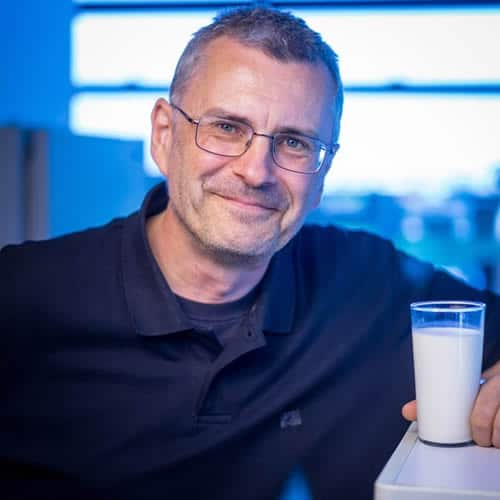
PROFESSOR THOMAS HENLE
Technical University of Dresden – Germany
“A grading system must be scientifically sound, based on a method that has been published and can be used in laboratories. This is certainly the case for the MGO Manuka honey classification.”
Professor Thomas Henle – Technical University of Dresden, Germany
In 2006, Professor Thomas Henle and his research team at the Technical University of Dresden identified methylglyoxal (MGO) as a measurable compound present in Manuka honey. His work contributed significantly to the development of a science-based classification system built on quantifiable laboratory analysis.
Since then, Professor Henle has published multiple scientific papers examining the chemical composition and measurable markers of Manuka honey, helping to strengthen international standardisation within the category.
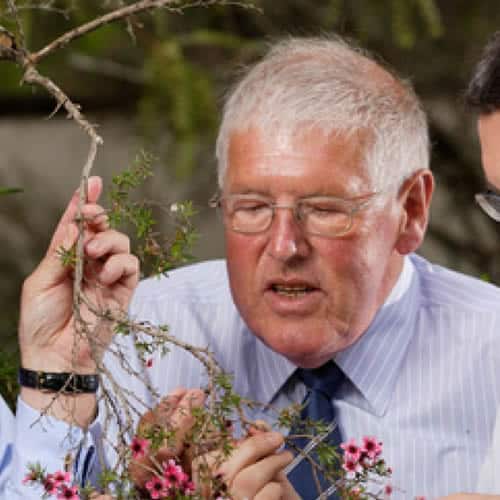
PROFESSOR PETER MOLAN
University of Waikato – New Zealand
“Testing for methylglyoxal provides a clear and measurable way to classify the distinctive properties of Manuka honey.”
Professor Peter Molan – University of Waikato, New Zealand
Professor Peter Molan began researching Manuka honey in the 1980s at the University of Waikato, where he established the Waikato Honey Research Unit. His pioneering work helped bring international scientific attention to the unique and measurable characteristics of Manuka honey.
He introduced the grading concept known as UMF (Unique Manuka Factor), contributing to early efforts to standardise and classify Manuka honey based on measurable parameters.
Through numerous scientific publications, Professor Molan advanced the understanding of Manuka honey’s chemical profile and its distinctive composition. His research laid important foundations for later studies, including the identification and quantification of methylglyoxal (MGO) as a measurable marker.
Professor Peter Molan passed away in 2015. His work remains influential in the field of Manuka honey research.
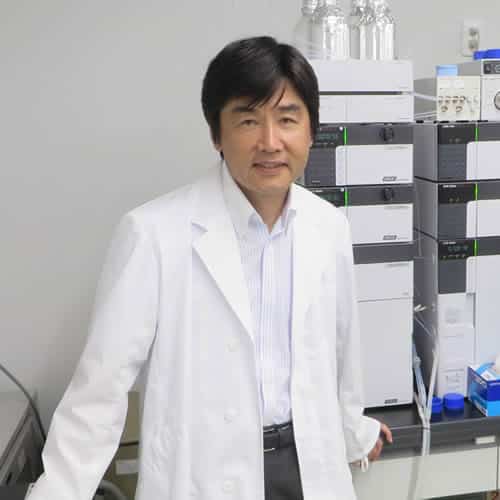
PROFESSOR KEIJI TERAO
Kobe University Medical School – Japan
Professor Keiji Terao has been involved in research focusing on the chemical composition and functional properties of natural substances, including propolis and Manuka honey from New Zealand.
His work has contributed to the scientific understanding of naturally occurring compounds and the development of innovative formulations based on measurable chemical markers.
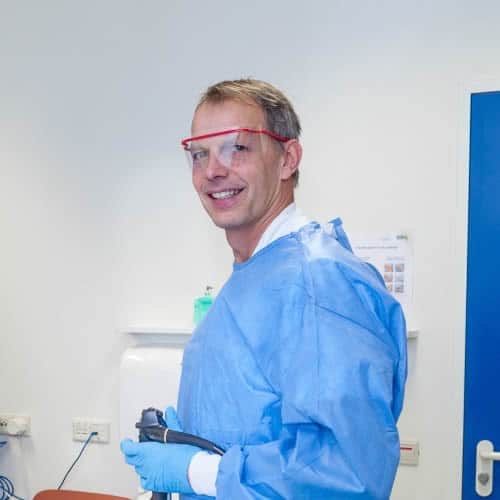
DR. ROBERT LAHEIJ
Elisabeth-TweeSteden Hospital – The Netherlands
Dr. Robert Laheij has been involved in clinical research examining the properties and composition of Manuka honey in relation to gastrointestinal contexts.
His work contributes to the broader scientific exploration of Manuka honey and its measurable characteristics within controlled research environments.