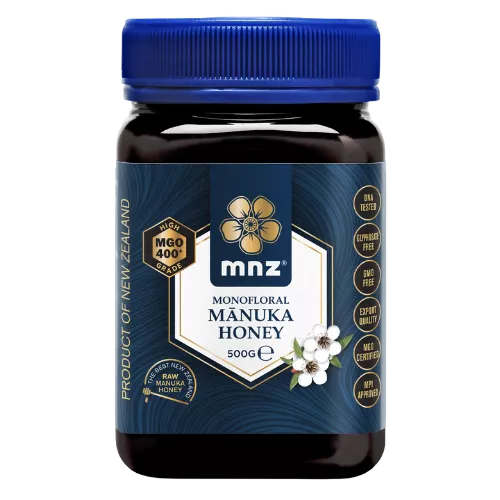







Como parte del Programa de Protección y Salud de las Abejas de MNZ, trabajamos con nuestros propios apicultores dedicados y contratamos a un apicultor especialista junto con inspectores apícolas estacionales en toda Nueva Zelanda. Nuestros equipos operan tanto en la Isla Norte como en la Isla Sur, lo que garantiza una supervisión continua de la salud y la ubicación de las colmenas.
MNZ gestiona actualmente más de 5600 colmenas, hogar de muchos millones de abejas, ubicadas en algunas de las zonas rurales más remotas de Nueva Zelanda. Las ubicaciones de las colmenas varían desde sitios más grandes con más de 80 colonias hasta zonas muy aisladas con solo unas pocas colmenas. La ubicación se selecciona cuidadosamente en regiones vírgenes con abundantes árboles de Manuka y mínima exposición a la actividad agrícola.
El Programa de Protección y Salud de las Abejas se centra en la inspección periódica de las colmenas de madera, el control de la fortaleza de las colonias, la vitalidad de las reinas y el estado general de las colmenas. Se presta especial atención a la detección y el control de plagas como los ácaros Varroa y Tropilaelaps, así como a los patógenos, entre ellos el Nosema y otros virus.
La salud y el abastecimiento de las reinas se supervisan de cerca, incluidas las reinas obtenidas de criadores externos. Esta supervisión estructurada ayuda a salvaguardar la integridad de toda la cadena de suministro, desde las colonias sanas hasta el producto final.
Como parte de nuestro Programa de Protección y Salud de las Abejas, MNZ sigue una estricta política de alimentación: nuestras abejas se alimentan exclusivamente con sus propias reservas de miel acumuladas durante la temporada. Solo se considera la alimentación suplementaria en casos de condiciones climáticas extremas. Nuestro sistema de gestión de colmenas garantiza que las colonias conserven suficientes reservas de miel para mantenerse de forma natural durante el invierno neozelandés.
Además de la gestión de las colmenas, MNZ aplica un estricto sistema de control de calidad. Toda la miel de Manuka se somete a pruebas para determinar sus parámetros microbiológicos, toxinas, residuos de pesticidas, azúcares, marcadores de polen, contenido de humedad, color, sabor y actividad enzimática, de conformidad con los requisitos del MPI. Esto garantiza que toda la miel que entra y sale de nuestras instalaciones de envasado cumple con los más altos estándares.
MNZ opera bajo la supervisión de dos autoridades gubernamentales de Nueva Zelanda. El Ministerio de Industrias Primarias (MPI) es responsable del sistema nacional de seguridad alimentaria y supervisa el cumplimiento de la normativa en la industria alimentaria. MNZ participa en el programa nacional de control del MPI, además de aplicar nuestros propios procedimientos de control interno. La sección 8.0 de la Lista consolidada de pruebas para productos animales del MPI describe el programa de pruebas de residuos químicos aplicable a la miel.
La Autoridad de Protección Ambiental de Nueva Zelanda (EPA) regula el uso de pesticidas e insecticidas para proteger a las abejas y los polinizadores. Se aplican controles estrictos a los neonicotinoides y otras sustancias, con medidas específicas destinadas a salvaguardar la salud de los polinizadores.
La medida de protección más importante sigue siendo la ubicación de las colmenas. MNZ coloca deliberadamente sus colmenas en lugares remotos, rurales y vírgenes, lejos de la agricultura intensiva. Esto reduce significativamente el riesgo de exposición a herbicidas y pesticidas.
Como parte del Programa de Protección y Salud de las Abejas, todos los productos apícolas se someten a exhaustivas pruebas para detectar compuestos naturales y posibles trazas de pesticidas. Este control sistemático respalda nuestro compromiso con la pureza y la calidad.
MNZ produce exclusivamente miel de Manuka monofloral cruda, sin filtrar y sin pasteurizar. Todos los productos se producen, procesan y envasan en Nueva Zelanda utilizando envases sin BPA.