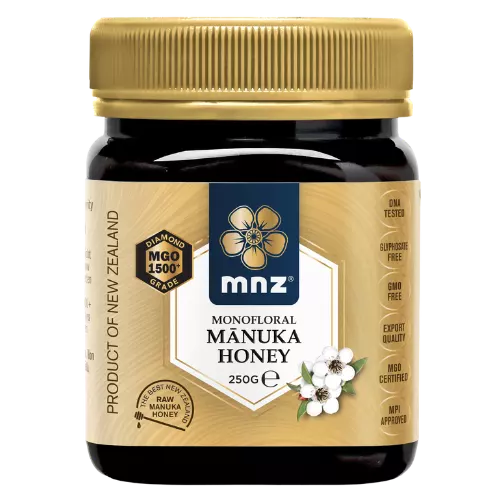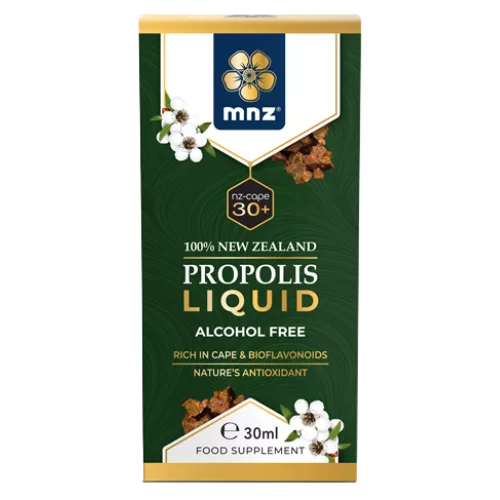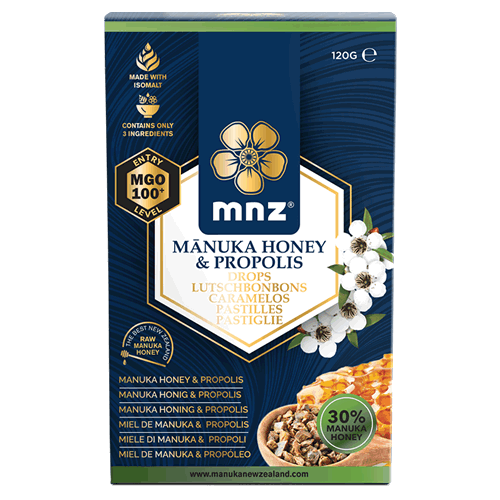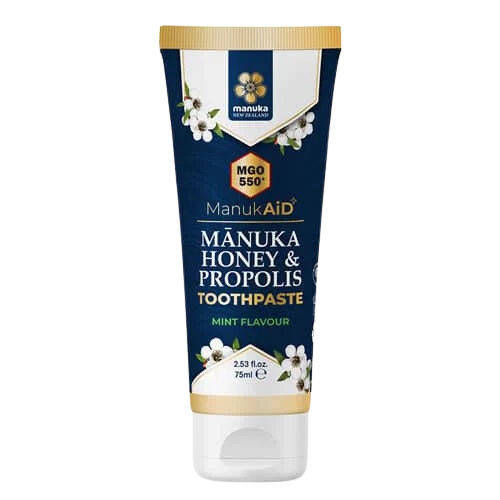




MNZ sadece Yeni Zelanda Manuka bitkisinden elde edilen monofloral Manuka balı üretmektedir (Leptospermum scoparium), küçük çalılardan çiçekli ağaçlara kadar çeşitlilik gösterir. Arı kovanlarımız Yeni Zelanda'nın uzak bölgelerinde konumlandırılmıştır ve arıların rahatsız edilmemiş doğal ortamlarda yem aramasına olanak sağlamaktadır.
Metilglioksal (MGO) Manuka balında bulunan doğal olarak oluşan önemli bileşiklerden biridir. Profesör Thomas Henle ve araştırma ekibi 2006 yılında MGO'yu Manuka balında ölçülebilir bir belirteç olarak tanımlamıştır. MGO'nun ölçümü bilime dayalı sınıflandırma sisteminin bir parçasını oluşturmakta ve Yeni Zelanda Birincil Endüstriler Bakanlığı (MPI) tarafından talep edilen standartlarla uyumludur.
Bilim
Manuka balı ile ilgili araştırmalar onlarca yıldır yürütülmektedir. Profesör Thomas Henle ve Dresden Teknik Üniversitesi'ndeki ekibi, metilglioksalın Manuka balında doğru bir şekilde ölçülebileceğini ve miktarının belirlenebileceğini göstermiştir.
MGO kilogram başına miligram (mg/kg) olarak ifade edilir. Örneğin, MGO 100+ kilogram bal başına en az 100 mg metilglioksal olduğunu gösterir. Sınıflandırmalar, doğrulanmış laboratuvar sonuçlarına bağlı olarak 100+ ile 1500+ mg/kg ve ötesi arasında değişebilir.
Bilimsel İçgörü
Profesör Thomas Henle, Profesör Peter Molan ve diğer uluslararası bilim insanlarının da aralarında bulunduğu araştırmacılar, Manuka balının benzersiz kimyasal profilinin anlaşılmasına katkıda bulunmuşlardır. Çalışmaları, ölçülebilir kalite parametrelerinin oluşturulmasına ve sektörde standardizasyonun geliştirilmesine yardımcı olmuştur.
“Bir derecelendirme sistemi bilimsel olarak sağlam olmalı ve yayınlanmış, test edilmiş ve laboratuvarlarda kullanılabilen bir yönteme dayanmalıdır. Metilglioksal (MGO) Manuka balı sınıflandırması için de durum kesinlikle budur.”
Profesör Thomas Henle, Dresden Teknik Üniversitesi
“Metilglioksal (MGO) testi, Manuka balını sınıflandırmak için net ve ölçülebilir bir yol sağlar.”
Profesör Peter Molan, Waikato Üniversitesi
Bilimsel Bir Ölçüt Olarak MGO (Metilglioksal)
MGO seviyelerinin ölçülmesi, Manuka balının derecelendirilmesi için şeffaf ve nicel bir yöntem sağlar. Örneğin, MGO 550+ etiketli Manuka balı, laboratuvar testleriyle doğrulandığı üzere en az 550 mg/kg metilglioksal içermelidir.
Profesör Peter Molan'ın Waikato Üniversitesi'nde daha önce yaptığı araştırmalar, Manuka balının uluslararası alanda tanınmasına ve sektörde derecelendirme sistemlerinin geliştirilmesine önemli katkılarda bulunmuştur. Devam eden bilimsel araştırmalar Manuka balının doğal bileşimini ve ölçülebilir belirteçlerini incelemeye devam etmektedir.
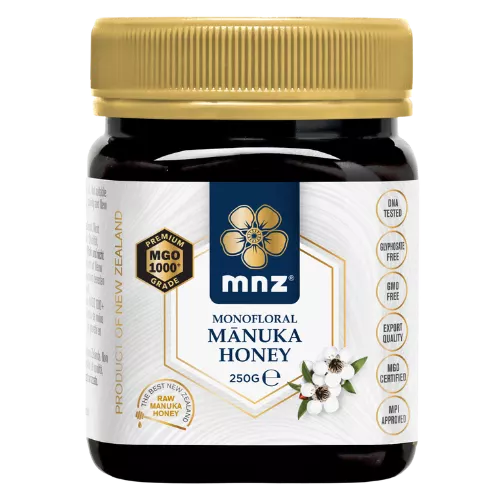
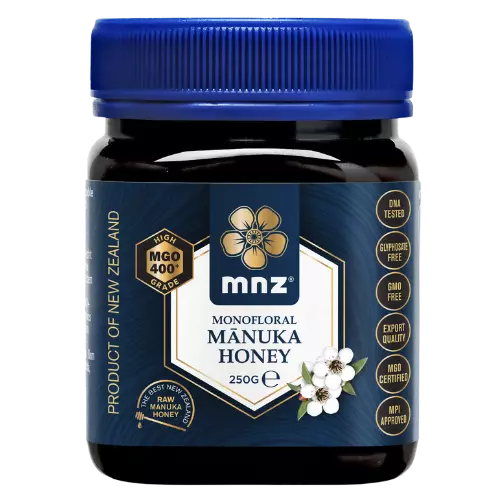
MGO (METILGLIOKSAL) IÇEREN MANUKA BALI
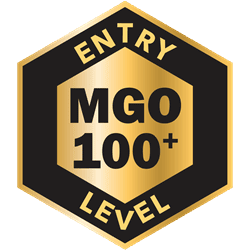
MNZ'nin MGO 100+ Manuka Balı
en az aşağıdakileri içerir 100 mg/kg Metilgloxal (MGO)
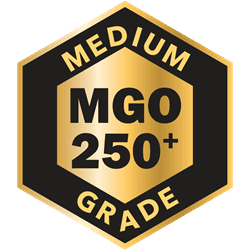
MNZ'nin MGO 250+ Manuka Balı
en az aşağıdakileri içerir 250 mg/kg Metilgloxal (MGO)
MNZ'nin MGO 400+ Manuka Balı
en az aşağıdakileri içerir 400 mg/kg Metilgloxal (MGO)
MNZ'nin MGO 550+ Manuka Balı
en az aşağıdakileri içerir 550 mg/kg Metilgloxal (MGO)
MNZ'nin MGO 1000+ Manuka Balı
en az aşağıdakileri içerir 1000 mg/kg Metilgloxal (MGO)
MNZ'nin MGO 1200+ Manuka Balı
en az aşağıdakileri içerir 1200 mg/kg Metilgloxal (MGO)
MNZ'nin MGO 1500+ Manuka Balı
en az aşağıdakileri içerir 1500 mg/kg Metilgloxal (MGO)