





Real Raw Honey Crystallises – and That’s a Good Thing
The crystallisation of honey is often misunderstood. Some people assume that crystallised honey is spoiled or altered. In reality, natural crystallisation is a normal and expected process in genuine raw honey.
Pure, raw and unheated honey naturally tends to crystallise over time. This change only affects texture and colour, not quality. Many people actually prefer crystallised honey because it becomes thicker and easier to spread.
Some honeys crystallise evenly, while others form natural layers, with a firmer layer at the bottom and a softer layer on top. Crystal size can vary depending on the honey’s natural composition. Faster crystallisation generally results in a finer, smoother texture.
Crystallised honey often appears lighter in colour. This happens because glucose forms naturally white crystals, while darker honeys may retain a slightly brown tone.
The chemistry behind honey
Honey is a naturally concentrated sugar solution containing more than 70% sugars and less than 20% water. This makes it supersaturated — meaning it holds more dissolved sugar than would normally remain stable at room temperature.
The two main sugars in honey are fructose and glucose. Glucose has lower solubility than fructose and therefore crystallises first. As glucose separates and forms tiny crystals, they gradually spread throughout the honey, causing it to thicken. This is a completely natural transformation.
Bottom line
Crystallisation is a natural characteristic of real raw honey and a sign of minimal processing.
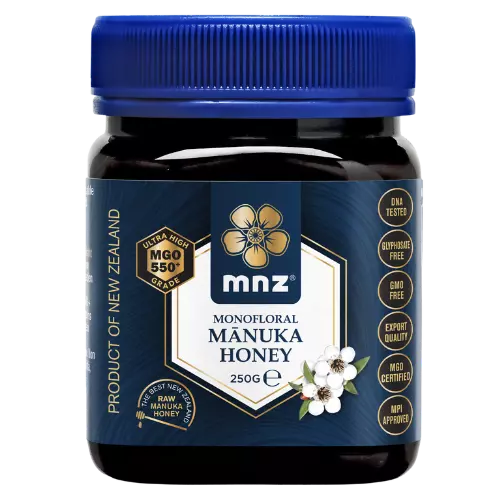
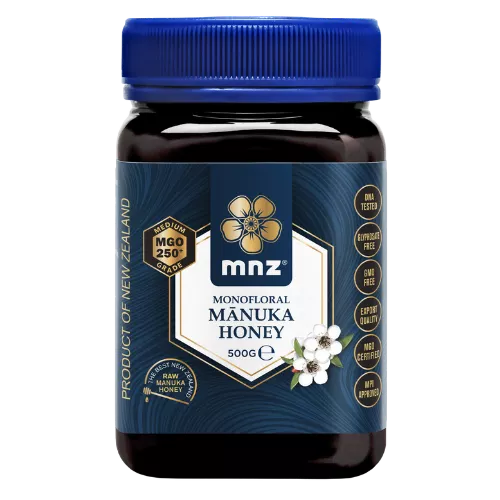
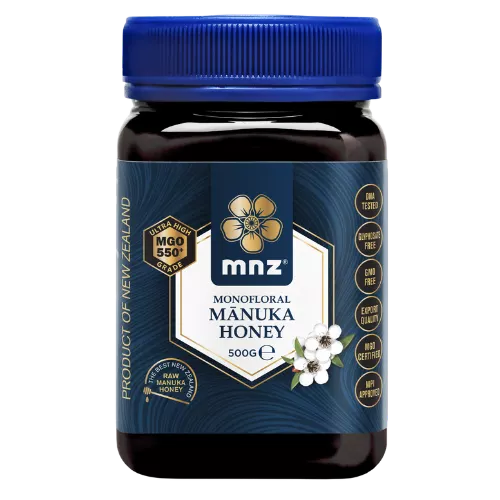
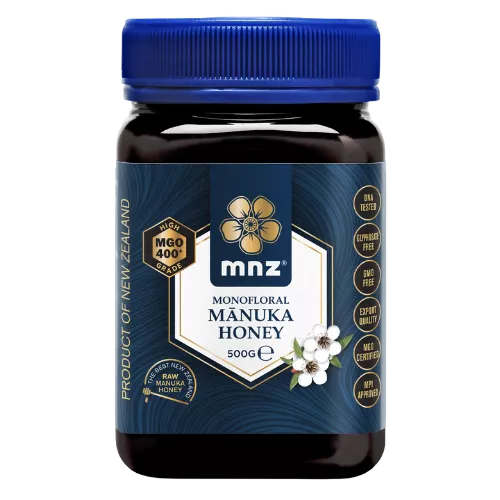
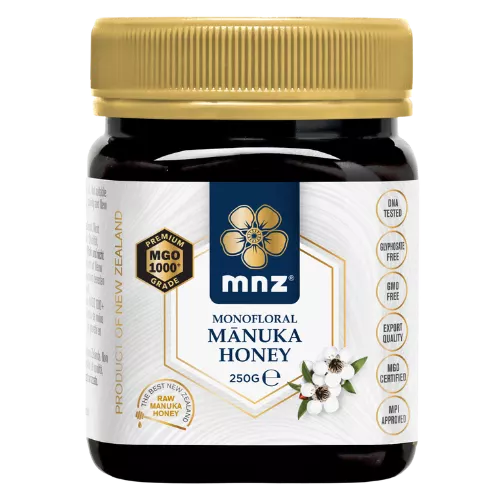
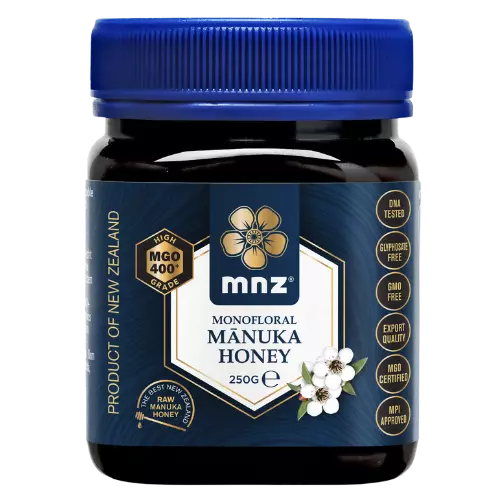
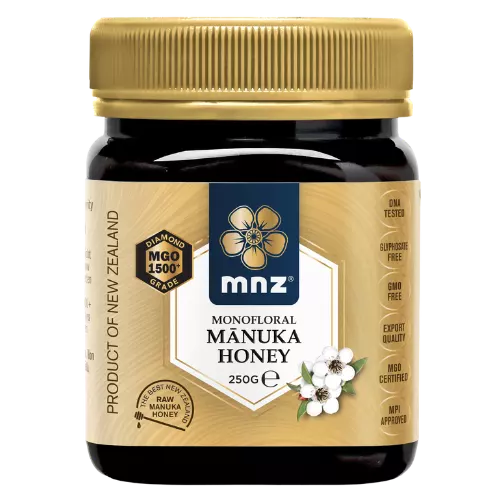
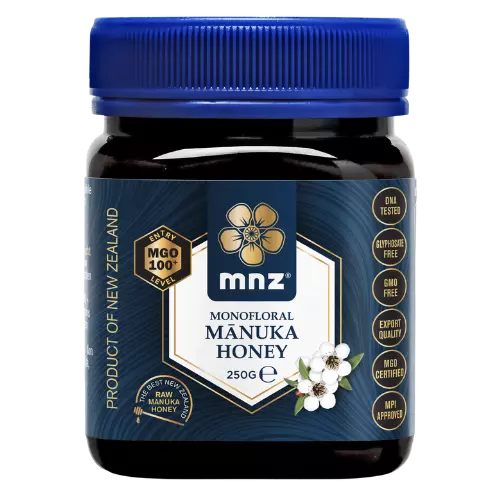
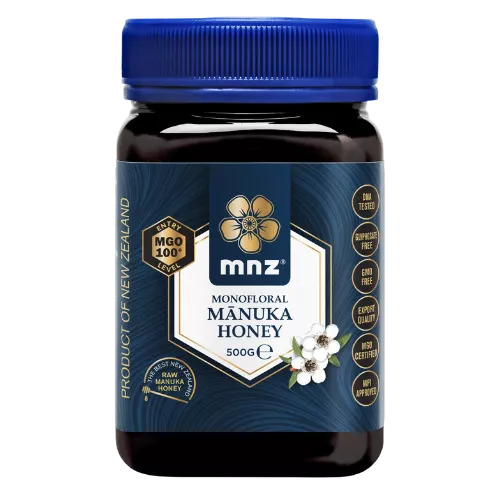
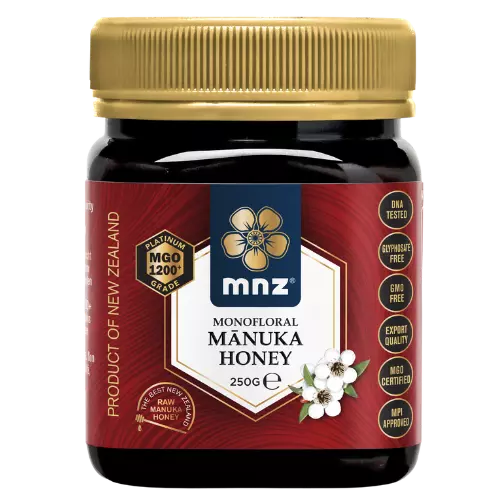
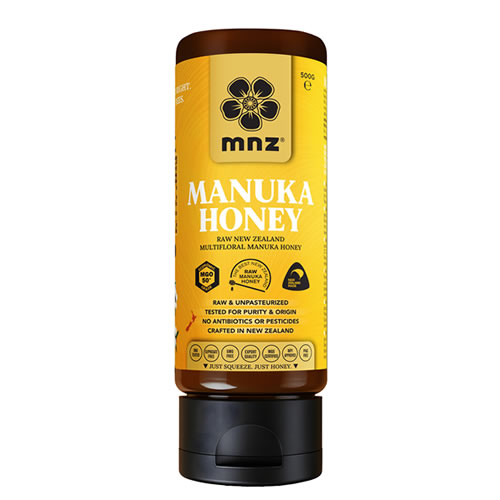
MNZ produces exclusively raw, unfiltered and unpasteurised monofloral Manuka honey. All products are produced, processed and packaged in New Zealand using BPA-free packaging.