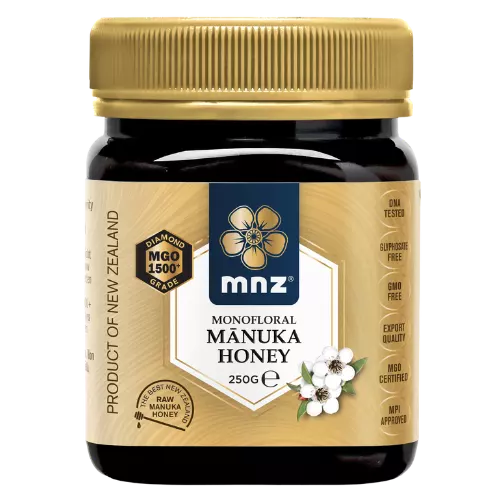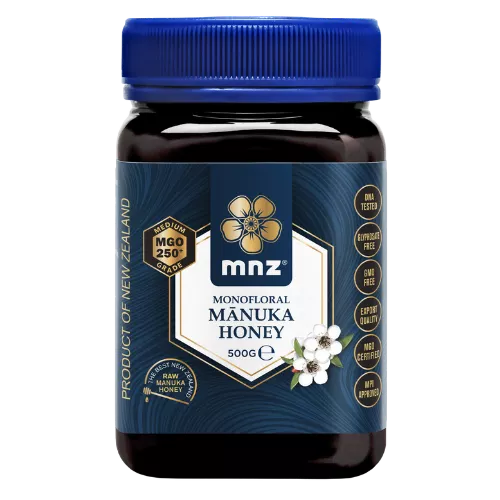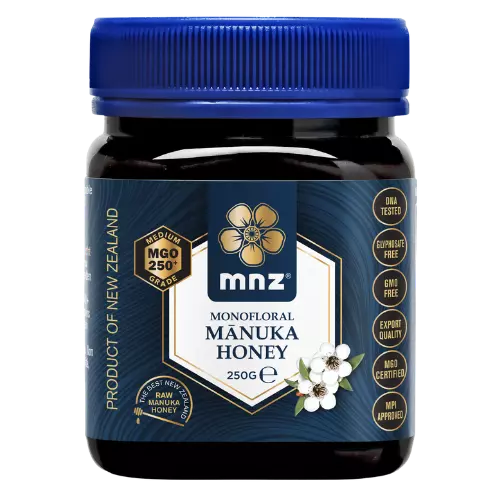






MNZ, kendi arı kovanlarından ve Yeni Zelanda'daki seçkin bağımsız arıcılardan elde edilen sadece ham, monofloral Manuka balını işlemektedir. Tüm ballar Yeni Zelanda'daki MNZ tesisinde sıkı kalite kontrolü altında işlenmekte, paketlenmekte ve etiketlenmektedir.
Tesisimize ulaşan her bal varili resmi bir kabul sürecinden geçmektedir. Bu işlem, Yeni Zelanda Birincil Endüstriler Bakanlığı'nın (MPI) arı ürünlerinin işlenmesine yönelik gerekliliklerine uygun olarak görsel inceleme, numune alma ve menşe belgelerinin doğrulanmasını içerir. Tüm kaplardan alınan numuneler sertifikalı laboratuvarlarda MGO, DHA, HMF, diastaz aktivitesi, nem içeriği, mikrobiyolojik parametreler ve Manuka poleninin DNA belirteçleri açısından analiz edilir. Onaydan sonra variller sıcaklık kontrollü koşullarda saklanır ve kalitenin sürekliliğini sağlamak için düzenli olarak yeniden test edilir.
Tüm ham monofloral Manuka balları Aralık 2017'de kabul edilen resmi MPI Manuka tanımına göre test edilmektedir. Bu tanım, balı hakiki Yeni Zelanda Manuka balı olarak sınıflandırmak için bulunması gereken beş bilimsel temelli belirteci belirtir. Bunlar arasında 3-Fenilaktik asit, 2-Metoksiasetofenon, 2-Metoksibenzoik asit ve 4-Hidroksifenilaktik asit gibi kimyasal belirteçlerin yanı sıra Manuka poleninin varlığını doğrulamak için DNA testi de yer almaktadır. Yalnızca bu kriterleri karşılayan ballar Yeni Zelanda Manuka balı olarak ihraç edilmek üzere sertifikalandırılır.
İşleme ve paketleme dikkatle kontrol edilen parti üretiminde gerçekleşir. Variller, her bir partinin sıkı sürüm spesifikasyonlarını karşılamasını sağlamak için doğrulanmış kalite parametrelerine göre seçilir. İşleme sırasında bal sürekli olarak izlenir ve analiz edilir. Gerektiğinde, IANZ (ISO 17025) tarafından akredite edilmiş laboratuvarlar tarafından ek testler yapılır. Her parti, piyasaya sürülmeden önce monofloral Manuka balı için MPI spesifikasyonlarına uygun olmalıdır.
Serbest bırakma kriterleri parti üretim verilerine, laboratuvar test sonuçlarına ve menşe belgelerine dayanır. Sadece tüm kalite standartları karşılandığında bir parti onaylanır. Her parti için resmi bir analiz sertifikası düzenlenir. Bal, tüm kalite kontrolleri tamamlanana kadar karantina altında kalır ve ancak bundan sonra etiketleme ve sevkiyat için serbest bırakılır.
MNZ, Yeni Zelanda Hükümeti E-Sertifikasyon (Resmi Güvenceler) programına katılmaktadır. Bu sistem aracılığıyla MPI, Avrupa Birliği ve diğer anlaşma ülkeleri de dahil olmak üzere ithalatçı hükümetlere ihracat garantileri vererek Denizaşırı Pazar Erişim Gerekliliklerine uyulmasını sağlar.
Sertifikalar
RMP - Kayıtlı Risk Yönetimi Programı (Arı ürünlerinin işlenmesi)
IANZ - ISO 17025 akredite laboratuvar testleri
MNZ yalnızca ham, filtrelenmemiş ve pastörize edilmemiş monofloral MGO Manuka balı üretmektedir. Tüm ürünler Yeni Zelanda'da BPA içermeyen ambalajlar kullanılarak üretilmekte, işlenmekte ve paketlenmektedir.
Pestisitler ve herbisitler hakkında bilgi
MNZ, MPI tarafından talep edilen mikrobiyolojik parametreler, toksinler, şekerler, polen belirteçleri, nem içeriği, enzim aktivitesi ve kimyasal kalıntılar için testleri içeren sıkı bir kalite kontrol programı yürütmektedir. Dahili test programımıza ek olarak, MPI tarafından denetlenen ulusal tarama programına da katılıyoruz.
Yeni Zelanda Birincil Endüstriler Bakanlığı (MPI) ulusal gıda güvenliği sistemini denetlemekte ve bal ve diğer hayvansal ürünler için geçerli olan kapsamlı bir kimyasal kalıntı test programı yürütmektedir. Buna paralel olarak, Yeni Zelanda Çevre Koruma Kurumu (EPA) pestisit kullanımını düzenler ve arıları ve tozlayıcıları korumak için tasarlanmış sıkı kontroller uygular.
Ek bir koruma önlemi de kovanların yerleştirilmesidir. MNZ arı kovanları, yoğun tarımsal faaliyetlerden oldukça uzak, bozulmamış bölgelerde yer almaktadır. Bu da herbisit ve pestisite maruz kalma riskini önemli ölçüde azaltmaktadır.
Ham Manuka balı hakkında bilgi
Ham Manuka balı saf, işlenmemiş, pastörize edilmemiş ve ısıtılmamıştır. Doğal kristalleşme normal ve faydalı bir süreçtir. Bal, oda sıcaklığında suyun doğal olarak tutabileceğinden daha fazla çözünmüş şeker içeren aşırı doymuş bir şeker çözeltisidir. Sıcaklık düştükçe glikoz kristalleşmeye başlar, bu da dokuyu ve rengi değiştirebilir. Bu durum kaliteyi etkilemez.
Kristalize bal daha açık renkli ve daha opak görünebilir. Bazı partiler eşit şekilde kristalleşirken, diğerleri doğal katmanlı bir yapı oluşturur. Doku, balın doğal bileşimine bağlı olarak değişir. Balın 35°C'nin altındaki suda hafifçe ısıtılması, doğal özelliklerini etkilemeden sıvı hale dönmesini sağlayacaktır.
Santrifüjleme, MNZ tarafından kullanılan geleneksel ekstraksiyon yöntemidir. Daha büyük balmumu partikülleri uzaklaştırılır ve bal ısıl işlem görmeden hafifçe süzülür. Bu, doğal özelliklerinin bozulmadan kalmasını sağlar.
MNZ sadece ham, filtrelenmemiş ve pastörize edilmemiş monofloral MGO Manuka balı üretmektedir.
Ham balın özellikleri
Ham bal doğal enzimlerini, amino asit profilini, minerallerini ve karakteristik aromasını korur. Tipik olarak daha koyu bir kıvama sahiptir ve zamanla ince, doğal bir tanecik geliştirebilir.
Ham MGO Manuka balının dört üretim aşaması:
Adım 1: Peteklerden soğuk ekstraksiyon (maksimum 35°C)
Adım 2: Büyük bal fıçılarında toplama
Adım 3: Balmumu kalıntılarını gidermek için hafif filtreleme
Adım 4: Pastörizasyon veya ısıl işlem olmadan kavanozlara doldurma